
Top Business Books on Creativity & Innovation


Right Kind of Wrong: The Science of Failing Well
Right Kind of Wrong by Amy Edmondson is the definitive leadership manual for navigating high-stakes innovation. As the world’s leading expert on psychological safety, Edmondson provides a rigorous scientific framework to distinguish between "productive failures" and "preventable disasters." This strategic protocol teaches organisations to cultivate a culture of intelligent experimentation, ensuring that teams move beyond the fear of error to master the art of failing well, turning every setback into a competitive engine for growth.
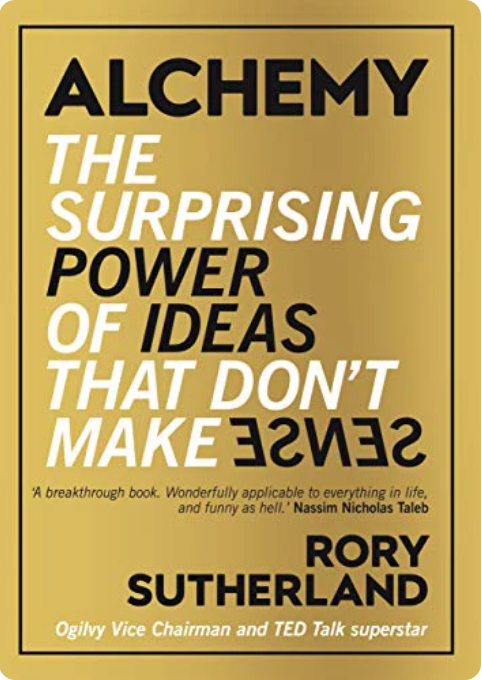
Alchemy: The Magic of Original Thinking in a World of Mind-Numbing Conformity
Alchemy by Rory Sutherland remains the ultimate manifesto for those who realise that logical thinking is often the enemy of great business. Sutherland, the legendary Vice Chairman of Ogilvy, shatters the cult of "rationality" to reveal why the most successful solutions are often brilliantly irrational. This is a strategic protocol for finding the "magic" in the margins, teaching leaders to stop looking at data alone and start mastering the psycho-logic that actually drives human behaviour and market dominance.
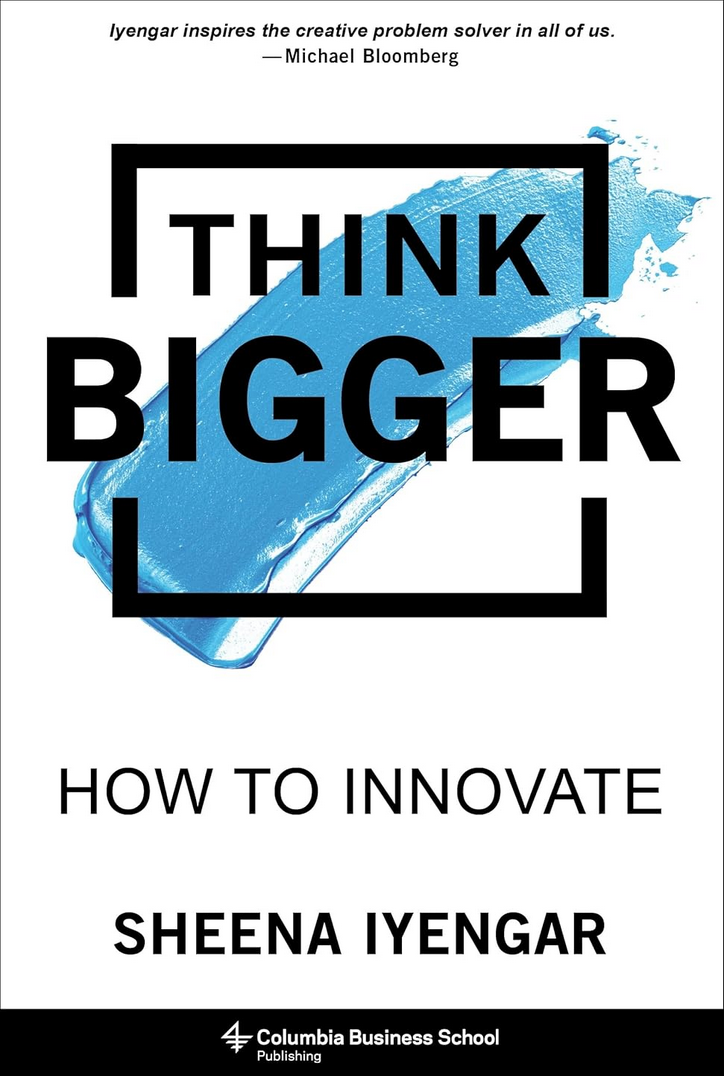
Think Bigger: How to Innovate
Think Bigger by Sheena Iyengar serves as the definitive creative protocol for generating breakthrough ideas in a world drowning in "brainstorming" clichés. Sheena Iyengar, a world-class authority on choice and innovation, dismantles the myth that great ideas appear in a vacuum. Instead, she provides a rigorous ideation architecture that treats innovation as a disciplined craft. This is a strategic orientation for leaders who need to move beyond random inspiration and master the choice-based mechanics of solving complex global challenges.
Taking on Gravity: A Guide to Inventing the Impossible
Taking on Gravity by Richard Browning serves as a high-velocity engineering manifesto for a world that has forgotten how to fail. Browning, the "Real-Life Iron Man" and founder of Gravity Industries, delivers a visceral entrepreneurial diagnostic on the art of iterative audacity. He dismantles the "corporate safety" culture to reveal a strategic blueprint for radical innovation, proving that the most stable way to fly is through constant, controlled falling. This is an essential mindset protocol for the 2026 leader, providing the tools to bridge the gap between "science fiction" and "physical reality" through grit, jet engines, and the refusal to accept gravity as a final answer.

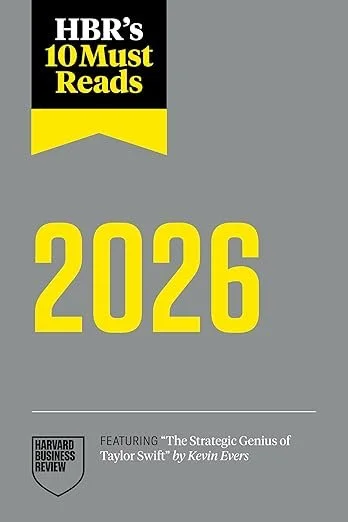
HBR’s 10 Must Reads 2026: The Definitive Guide to Future-Proofing Your Leadership
In a global economy defined by rapid AI integration and shifting cultural landscapes, HBR’s 10 Must Reads 2026 arrives as an essential roadmap for executives, entrepreneurs, and managers. This latest edition from the Harvard Business Review curators doesn't just recap the year; it distills the most influential management ideas of 2025 into a single, high-impact volume.
The 2026 Harvard Business Review selection unique is its departure from traditional "ivory tower" management. It leans heavily into applied agility. The standout theme? The Human Premium.
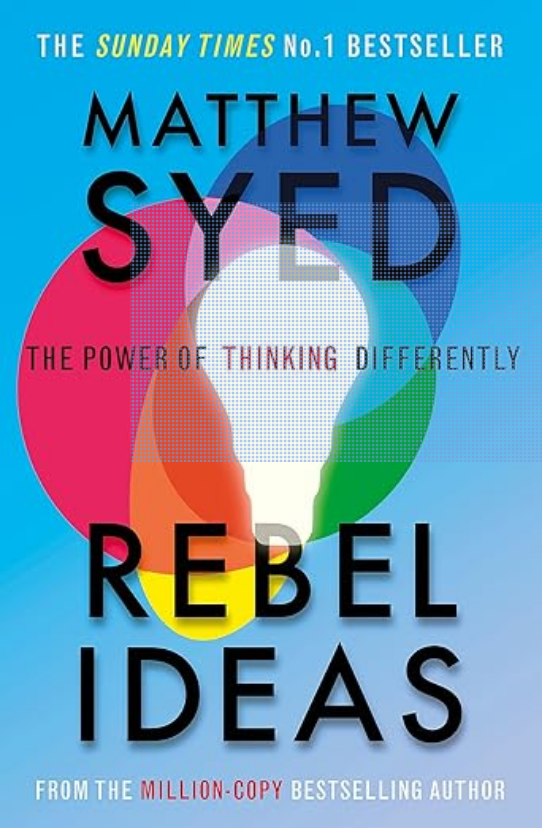
Rebel Ideas: The Power of Thinking Differently
Rebel Ideas by Matthew Syed is the indispensable manifesto for breaking the "echo chamber" of modern leadership. Syed, a global authority on performance, proves that cognitive diversity, not just demographic variety, is the secret engine of high-stakes problem-solving. This strategic protocol dismantles the dangers of "homophily" (hiring in our own image), providing a rigorous guide to building collective intelligence where dissenting voices become an organisation's most valuable asset for navigating complexity.
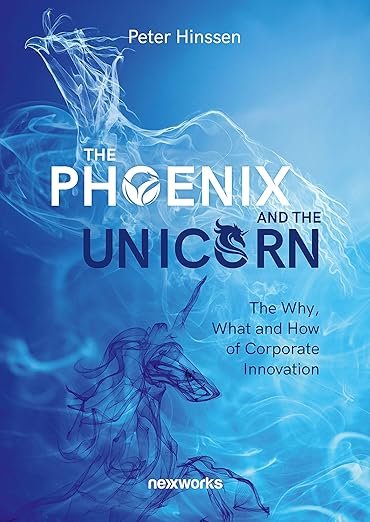
The Pheonix and the Unicorn
The Phoenix and the Unicorn by Peter Hinssen stands as the ultimate innovation manifesto for the corporate world. Hinssen draws a sharp line between "Unicorns." startups born in the digital age, and "Phoenixes," traditional companies that successfully self-combust to rise from the ashes of legacy. This strategic orientation is a high-octane guide to corporate reinvention, teaching established leaders how to adopt the "Unicorn" mindset to fuel radical, future-proof growth.
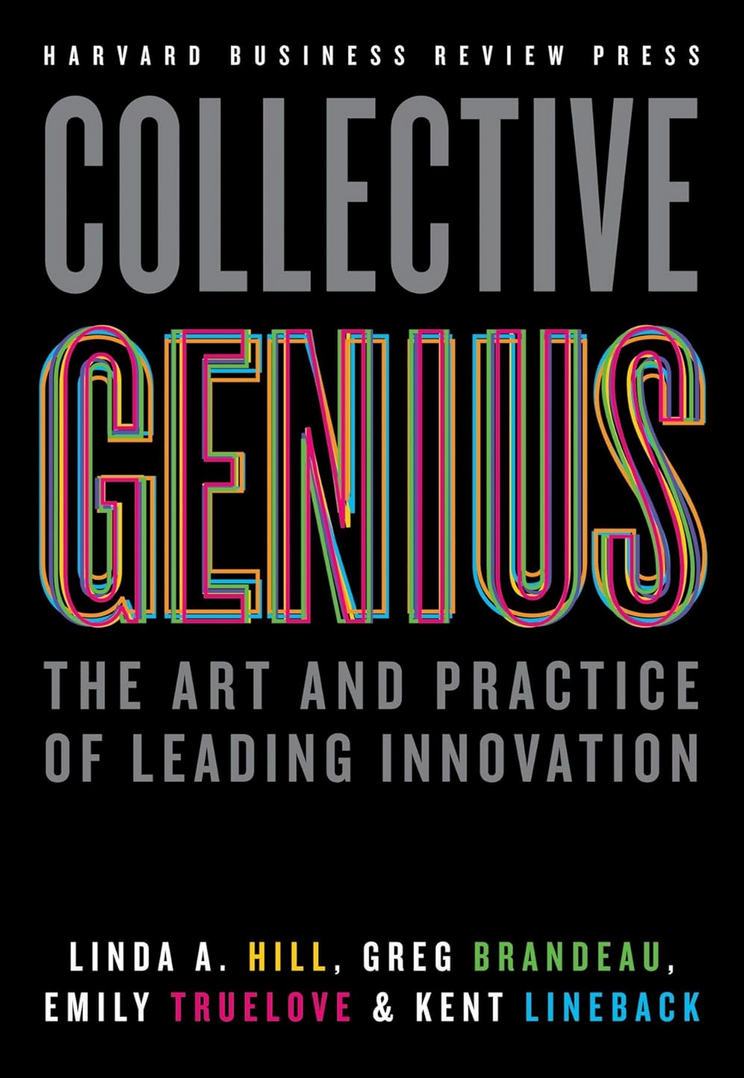
Collective Genius: The Art and Practice of Leading Innovation
Collective Genius by Linda Hill stands as the ultimate collaborative manifesto for leaders who realise that the era of the "lone visionary" is extinct. Linda Hill, who is a Harvard Business School powerhouse, shatters the myth of the solo creator, proving that sustainable breakthroughs are the result of a dynamic ecosystem. This is a strategic orientation for building an organisation where the leader’s role shifts from "innovator-in-chief" to cultural architect, setting the stage for distributed brilliance to emerge from every corner of the enterprise.
Mission Economy: A Moonshot Guide to Changing Capitalism
Mission Economy by Mariana Mazzucato serves as a high-velocity market-shaping manifesto, incinerating the tired trope that the state is merely a slow-moving fixer of market failures. An economic trailblazer, she argues that the era of passive "hands-off" governance is over, replaced by a mission-oriented blueprint where governments and businesses co-create the future. This is a strategic compass offering the methodological framework to transform existential threats into trillion-dollar innovation engines through purposeful, collective ambition.
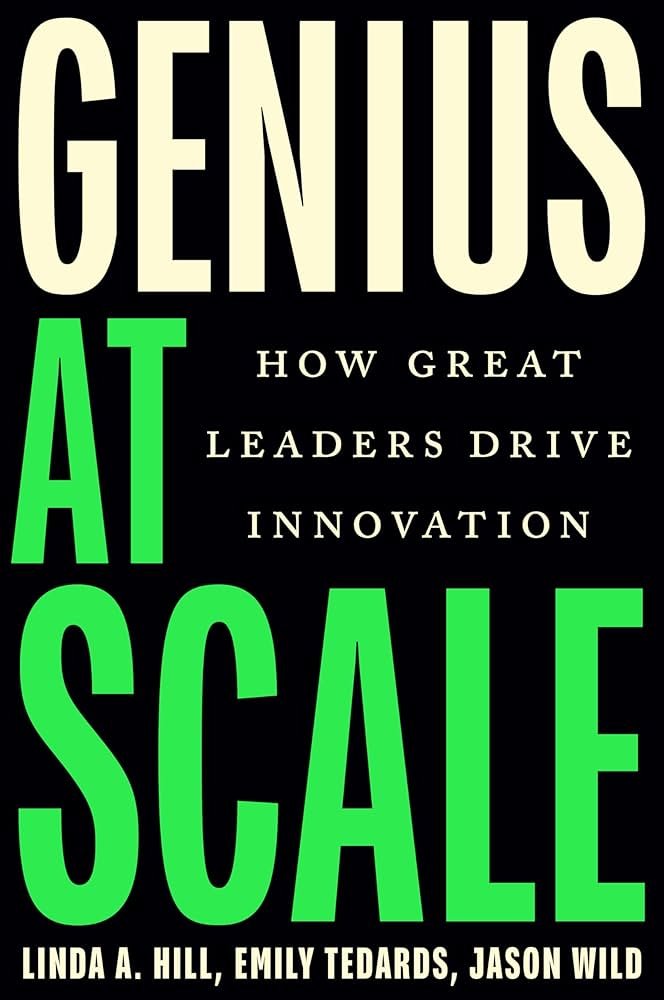
Genius at Scale: How Great Leaders Drive Innovation
Harvard Business School professor Linda Hill and her co-authors redefine business leadership for the modern era. This essential innovation management book introduces the Architect, Bridger, and Catalyst (ABC) framework to help executives move beyond centralised R&D toward a decentralised innovation culture. By analysing digital transformation strategies at companies like Microsoft and Salesforce, Genius at Scale provides actionable insights for scaling innovation, fostering cross-functional collaboration, and building organisational agility. For leaders aiming to unlock collective intelligence and maintain a competitive advantage in an AI-driven global economy.