
Top Books on Global Economy, Finance & Geopolitics
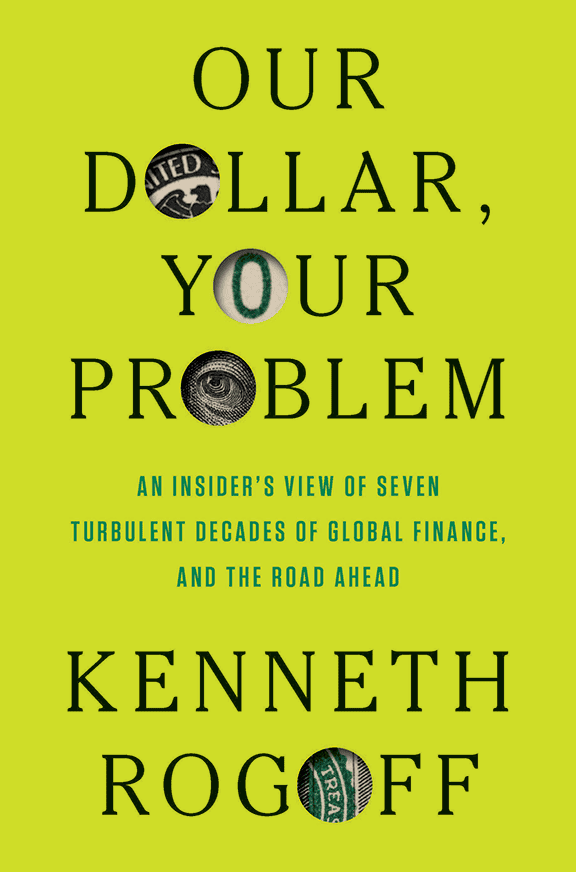

Our Dollar Your Problem: An Insider’s View of Seven Turbulent Decades of Global Finance, and the Road Ahead
Our Dollar, Your Problem by Kenneth Rogoff serves as the definitive geopolitical compass for navigating the fragmenting global financial order. Rogoff, a former IMF Chief Economist and Harvard heavyweight, deconstructs the "weaponisation" of the Greenback and the precarious dominance of the U.S. Federal Reserve. This is a strategic orientation for the C-suite to understand the "exorbitant privilege" of the dollar—and the seismic risks as the world pivots toward a multipolar currency regime.
The Silk Roads: A New History of the World
The Silk Roads by Peter Frankopan functions as a high-velocity intellectual reorientation, forcibly pulling the global gaze away from the Atlantic and back to the world's original central nervous system. Frankopan, an Oxford visionary, dismantles the Eurocentric "Dark Ages" myth to reveal a macro-historical blueprint where the spine of Asia has always been the primary engine of human progress. This is an essential geopolitical diagnostic for anyone navigating the "Asian Century," proving that the current shift in global power isn't a disruption but a restoration of a thousand-year-old equilibrium.
The Power Move: Deciphering the Eastern Pivot
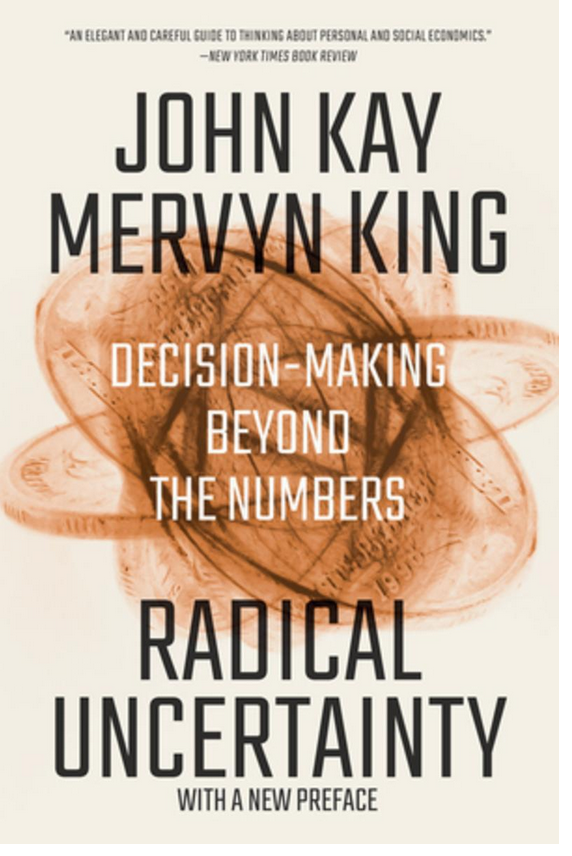
Radical Uncertainty: Decision-Making Beyond the Numbers
Radical Uncertainty by John Kay and Mervyn King acts as a rigorous intellectual solvent, dissolving the dangerous illusion that the future can be tamed by a spreadsheet. Kay, a world-class economist, alongside the former Governor of the Bank of England, delivers a high-stakes judgment framework for an era where "black swan" events have become the baseline. This is a strategic intervention for the C-suite, providing the probabilistic toolkit to distinguish between manageable "risk" (where we know the odds) and the "radical uncertainty" of the real world, where the math simply fails.
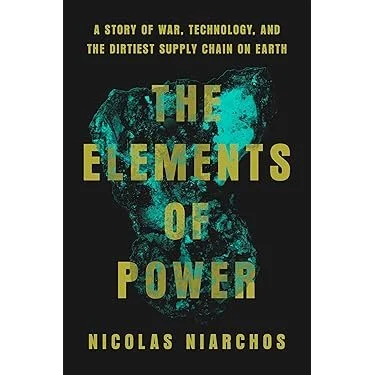
The Elements of Power
In The Elements of Power, investigative journalist Nicolas Niarchos uncovers the gritty reality behind our transition to a high-tech, green economy. Niarchos tracks the flow of critical minerals like cobalt and lithium, moving from the dangerous mines of the Congo to the strategic boardrooms of global superpowers. He exposes the dirty supply chain that powers everything from smartphones to electric vehicles, revealing a world of geopolitical conflict and environmental exploitation. This compelling narrative forces us to confront the ethical trade-offs of the digital age, making it a must-read for leaders navigating the intersection of sustainability, technology, and global security.
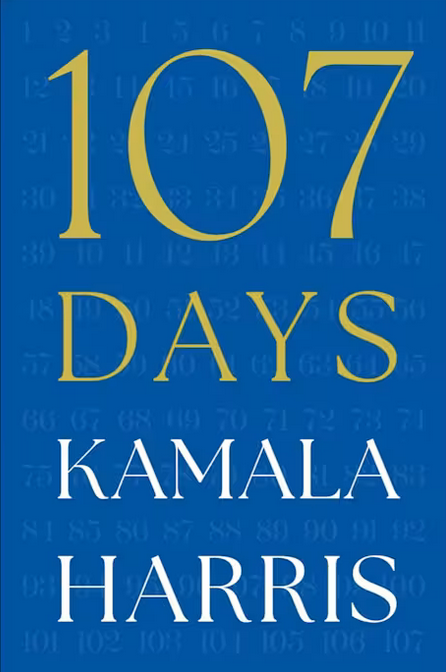
107 Days
n 107 Days, Kamala Harris delivers a high-octane, behind-the-scenes look at the most unprecedented sprint in American political history. Chronicling the intense period between Joe Biden’s exit and the 2024 election, Harris provides a raw account of stepping into the spotlight with no room for error. She explores the tactical maneuvers of a modern presidential campaign, the grit required to build a national platform in weeks, and the weight of representing a historic movement. This memoir is more than a political recap; it is a masterclass in crisis leadership and a candid reflection on the future of American democracy.


The Next Renaissance: AI and the Expansion of Human Potential (2026)
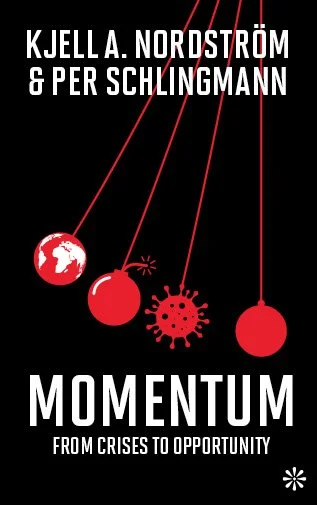
Momentum by Kjell Nordström acts as the definitive metabolic pulse-check for a world that has shifted from "change" to "constant churn." Nordström, the "rockstar" of European business thinking, argues that the triple shocks of pandemic, war, and climate have created a socio-economic slipstream that favors the fast over the perfect. This is a high-velocity briefing for leaders ready to stop mourning the "old normal" and start capitalizing on the expansionist energy of the new era.
The Power Move: Riding the Wave of Disruption
Nexus: A Brief History of Information Networks from the Stone Age to AI
The Power of Crisis by Ian Bremmer operates as a high-stakes geopolitical catalyst, reframing global emergencies as the only force capable of shattering international gridlock. Bremmer, asserts that the convergence of three existential shocks: pandemics, the climate emergency, and the AI arms race, will provide the necessary "Goldilocks" pressure to forge a reimagined global architecture. This is a strategic intervention for leaders who recognise that survival requires turning systemic vulnerability into a springboard for radical cooperation.
The Great Global Transformation
On The Great Global Transformation, world-renowned economist Branko Milanovic provides a definitive analysis of the tectonic shifts redefining our world. Milanovic charts the historic migration of economic influence from the West to the East, examining the intense rivalry between liberal capitalism and state-led political capitalism. By blending deep historical data with modern insights, he illustrates how global inequality is being transformed by technological disruption and migration. He offers a vital roadmap for understanding the competing political systems and economic realities that will dominate the twenty-first century.
Chokepoints
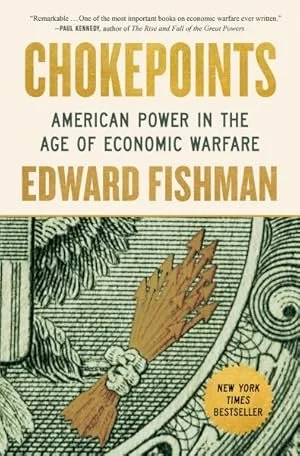
In Chokepoints, foreign policy expert Edward Fishman delivers a definitive analysis of how economic networks have become the ultimate weapon of power. Fishman explores how control over semiconductor supply chains, financial systems, and maritime routes provides unprecedented geopolitical leverage. He reveals how nations now exploit globalisation to dismantle rivals without traditional warfare. This book is a vital guide for leaders navigating the high-stakes world of economic statecraft and the shifting architecture of global trade.
Prisoners of Geography: Ten Maps That Tell You Everything You Need to Know About Global Politics
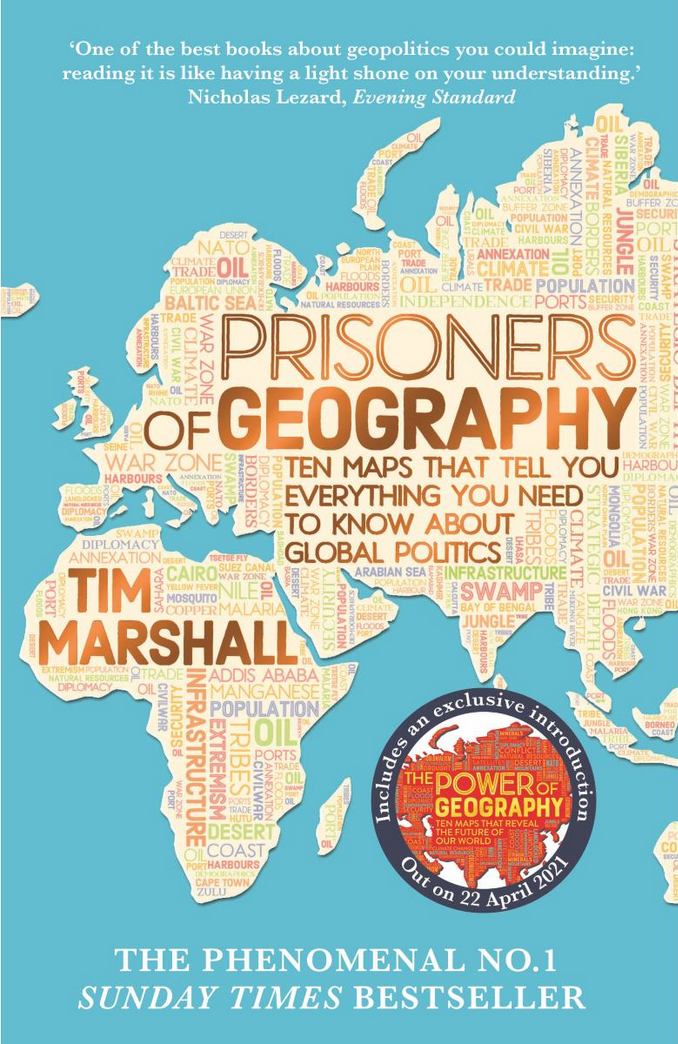
Prisoners of Geography by Tim Marshall serves as a vital reality check for a global elite often blinded by the "death of distance." Marshall strips away the digital veneer of modern business to reveal the hard-wired constraints of the physical earth, the mountains, choke points, and rivers that still break or make empires. This is a geopolitical diagnostic for the C-suite, proving that while leaders can change laws, they cannot move the Himalayas, and understanding this "prison" is the key to mastering volatile trade and security landscapes.