
“AI is easy to talk about. Harder to use well. That’s where the right thinking matters.”
Artificial Intelligence books and authors shaping business thinking
Organisations are already making decisions about where AI fits, what to adopt, what to build and what to question. The books in this section explore those decisions in context. They offer practical insight into how AI is being applied across business, and the speakers behind them help translate that into your environment.
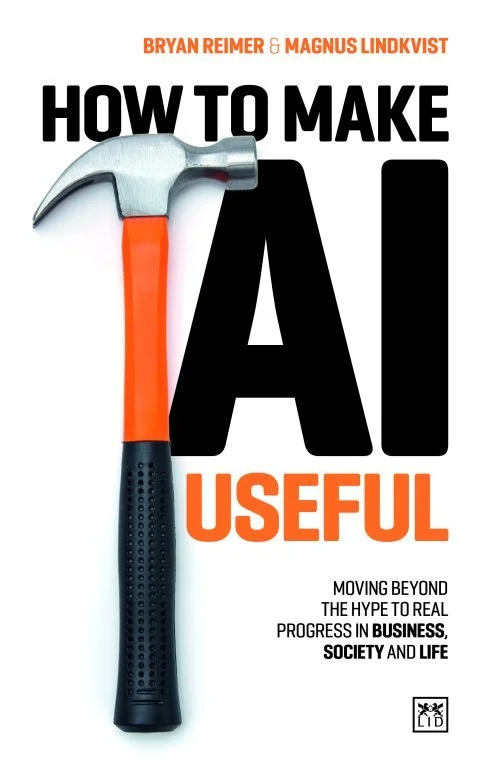
How to Make AI Useful
In How to Make AI Useful, Magnus Lindkvist focuses on a more practical question: what does AI actually do for organisations now.
The book moves beyond speculation, offering a clear view on how artificial intelligence can be applied in real business contexts, from innovation to day to day decision making.
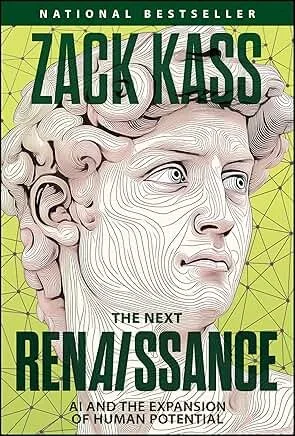
The Next Renaissance: AI and the Expansion of Human Potential (2026)
In The Next Renaissance, Zack Kass explores how artificial intelligence could reshape human capability and economic systems.
Drawing on his experience at OpenAI, he looks at what widespread access to AI means in practice, from productivity and creativity to how organisations think about growth.
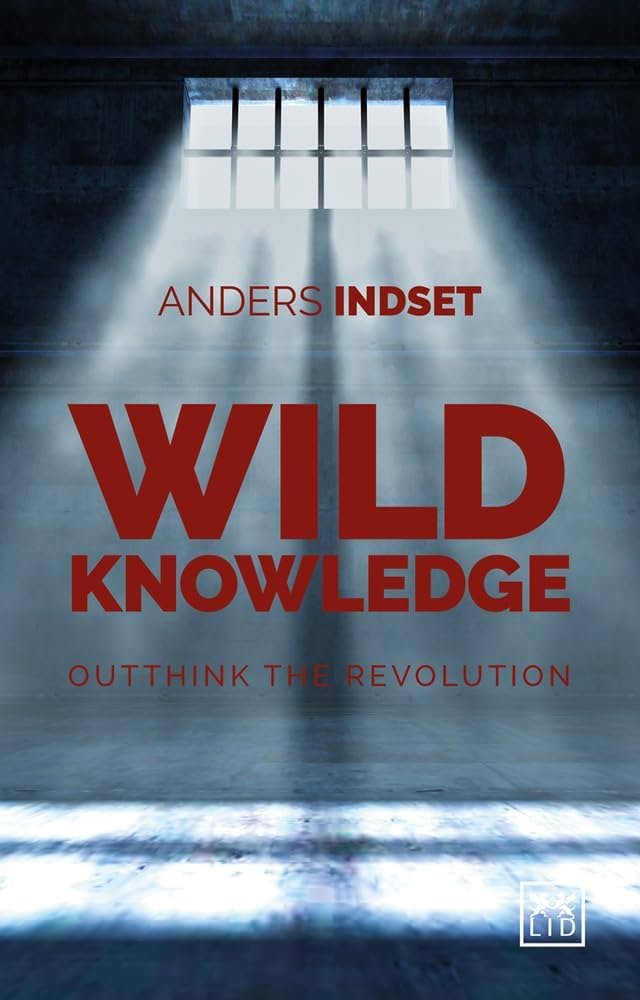
Wild Knowledge
In Wild Knowledge, Anders Indset explores the role of human judgement in an increasingly technology-driven world.
The book focuses on how leaders can think more clearly, combining data with insight to make better decisions in complex environments.
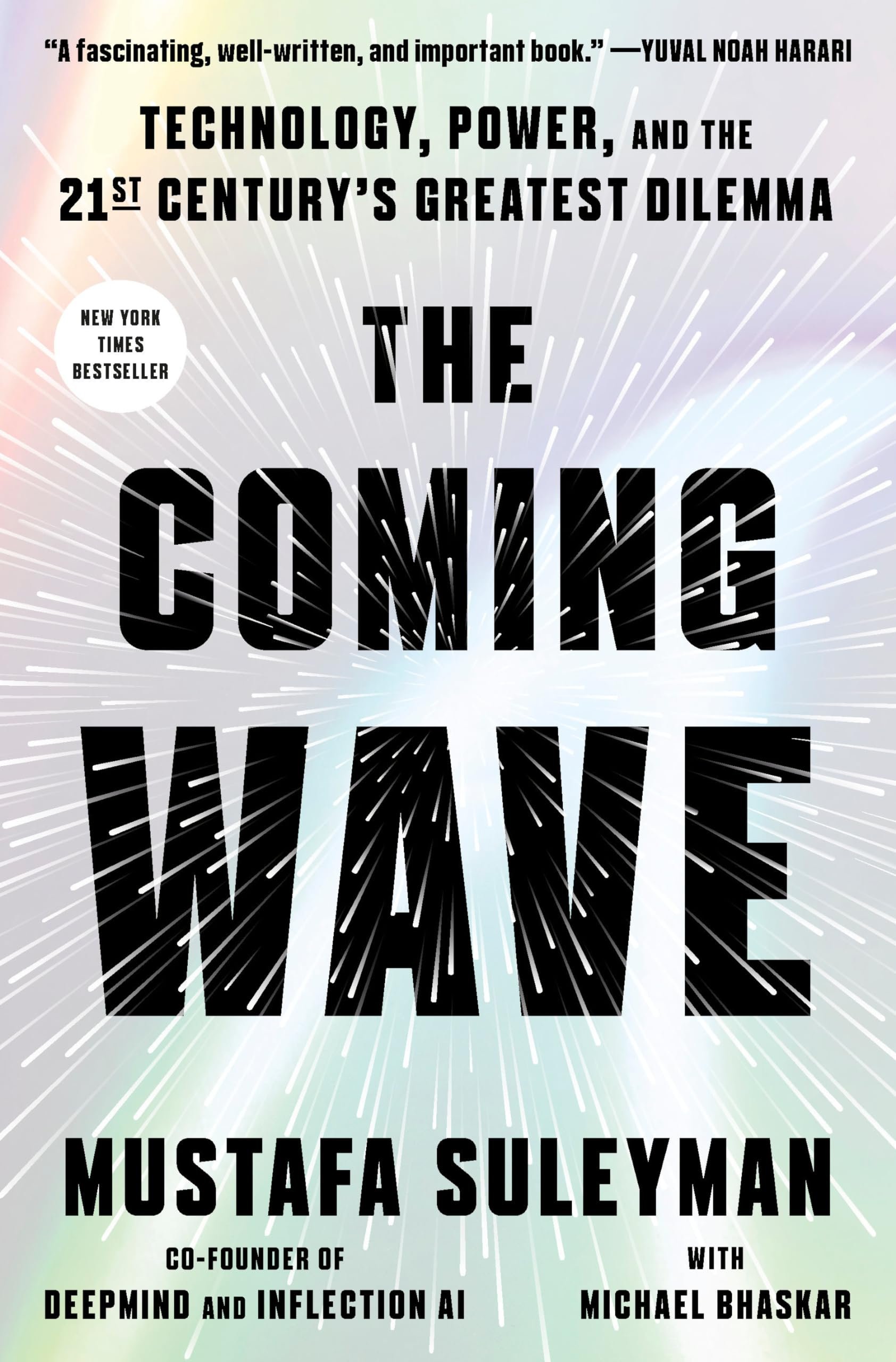
The Coming Wave
In The Coming Wave, Mustafa Suleyman examines the risks and implications of rapidly advancing technologies, from artificial intelligence to synthetic biology.
The book looks at how these systems could reshape power, security and global stability, and what organisations need to consider as they respond.
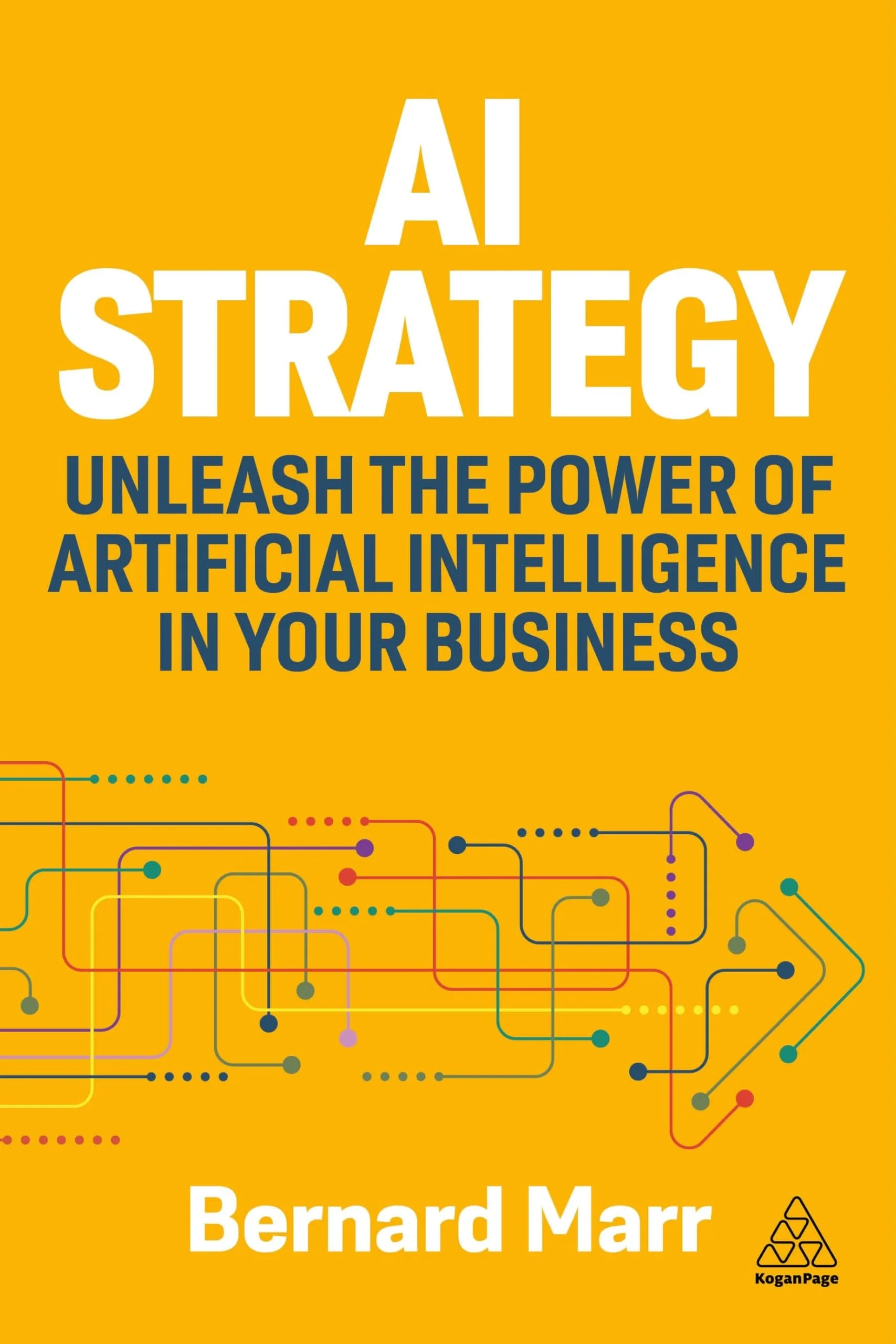
AI Strategy; Unleash the Power of Artificial Intelligence in Your Business
In AI Strategy, Bernard Marr looks at how organisations can apply artificial intelligence in a structured and practical way.
The book focuses on moving beyond the hype, with attention on generative AI, data ethics and how AI supports operational performance.
Alive: A Human's Guide to Living in the World of AI
In Alive, published 15 October 2026, Mo Gawdat explores how individuals and organisations can adapt as artificial intelligence becomes more integrated into everyday life.
Building on ideas from Scary Smart, he focuses on how to maintain human judgement, wellbeing and perspective as technology reshapes the world around us.
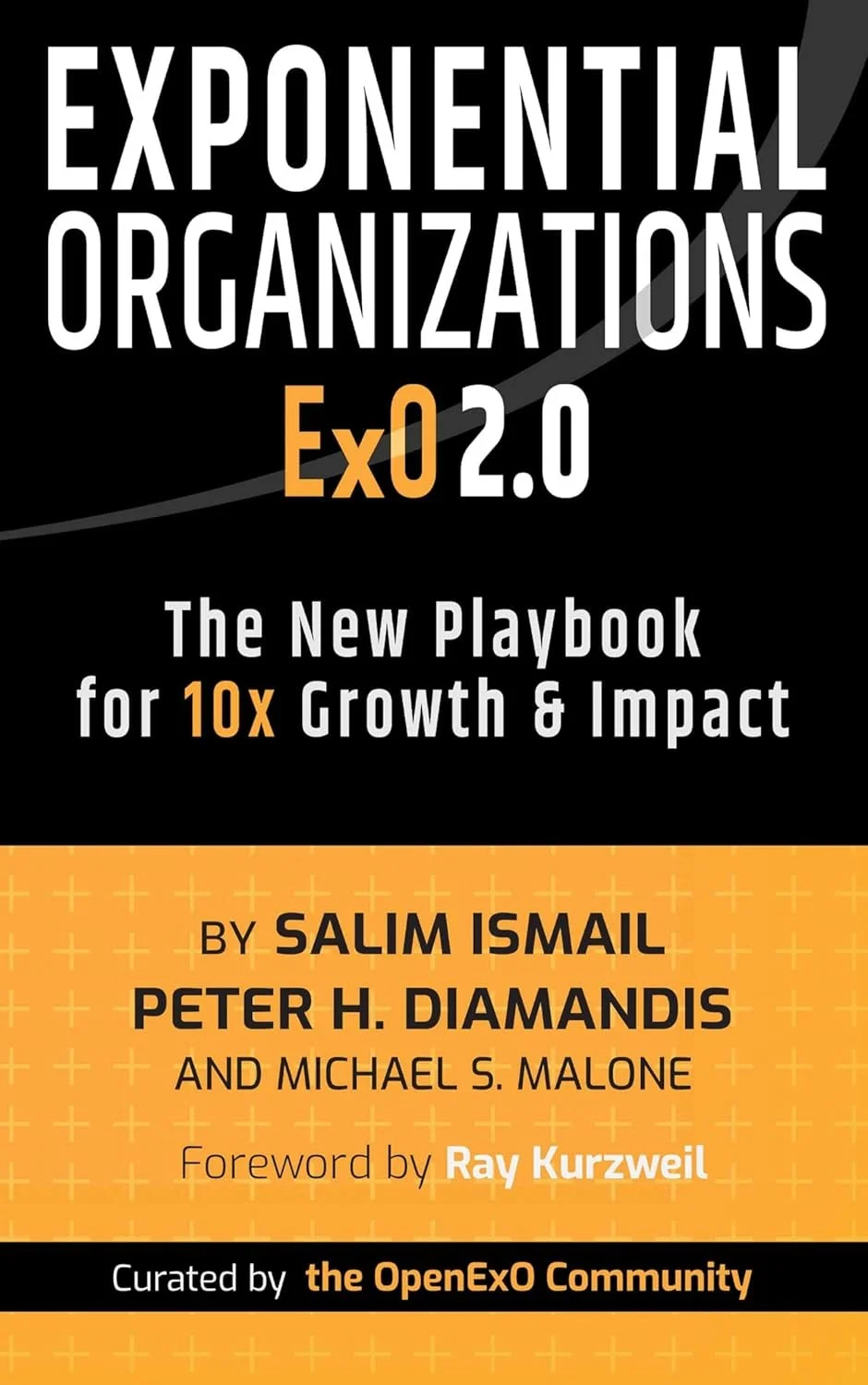
Exponential Organisations
In ExO 2.0, Salim Ismail and Peter H. Diamandis revisit how organisations scale in technology-driven markets.
The book looks at how exponential technologies, data and new operating models can support growth, adaptability and long term relevance.
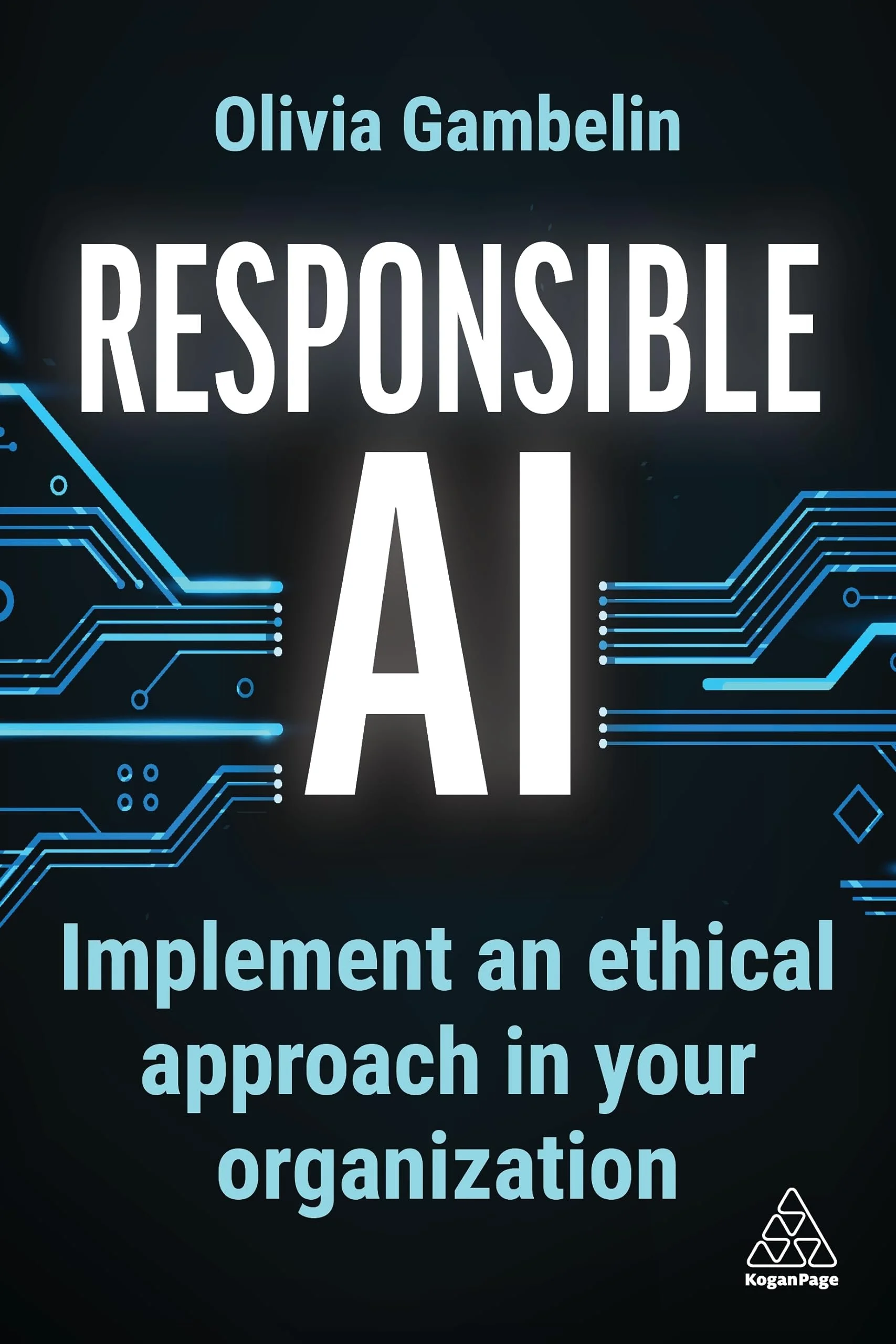
Responsible AI: How to Build Trustworthy Technology
In Responsible AI, Olivia Gambelin examines how organisations can approach artificial intelligence with accountability and clarity.
She argues that ethics should support innovation, not slow it down, and explores how transparency and responsible decision making can be built into AI systems.
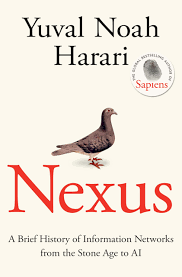
Nexus: A Brief History of Information Networks from the Stone Age to AI
In Nexus, Yuval Noah Harari examines how information networks shape power, society and decision making in the age of artificial intelligence.
He explores the risks created by systems that can operate with increasing autonomy, and what this could mean for trust, governance and social stability.
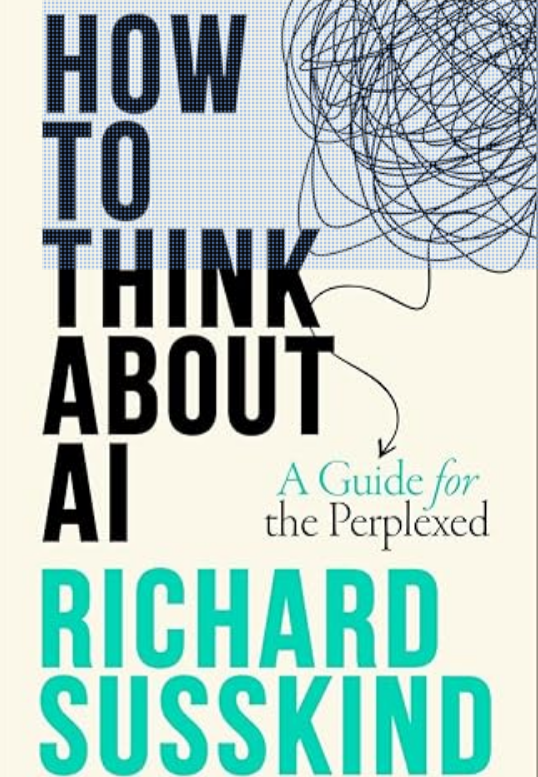
How to Think About AI: A Guide for the Perplexed
In How to Think About AI, Richard Susskind examines how organisations need to rethink the role of work in an AI-driven environment.
He challenges traditional process-led thinking, focusing instead on outcomes, and explores how automation and restructuring could reshape professional services.
Why book an AI author speaker
A book signals depth. The value is in how that thinking is applied. AI author speakers bring structured perspectives on decisions organisations are already making, from adoption to risk to long term strategy. They do not just explain the technology. They help organisations understand what it means in practice.